

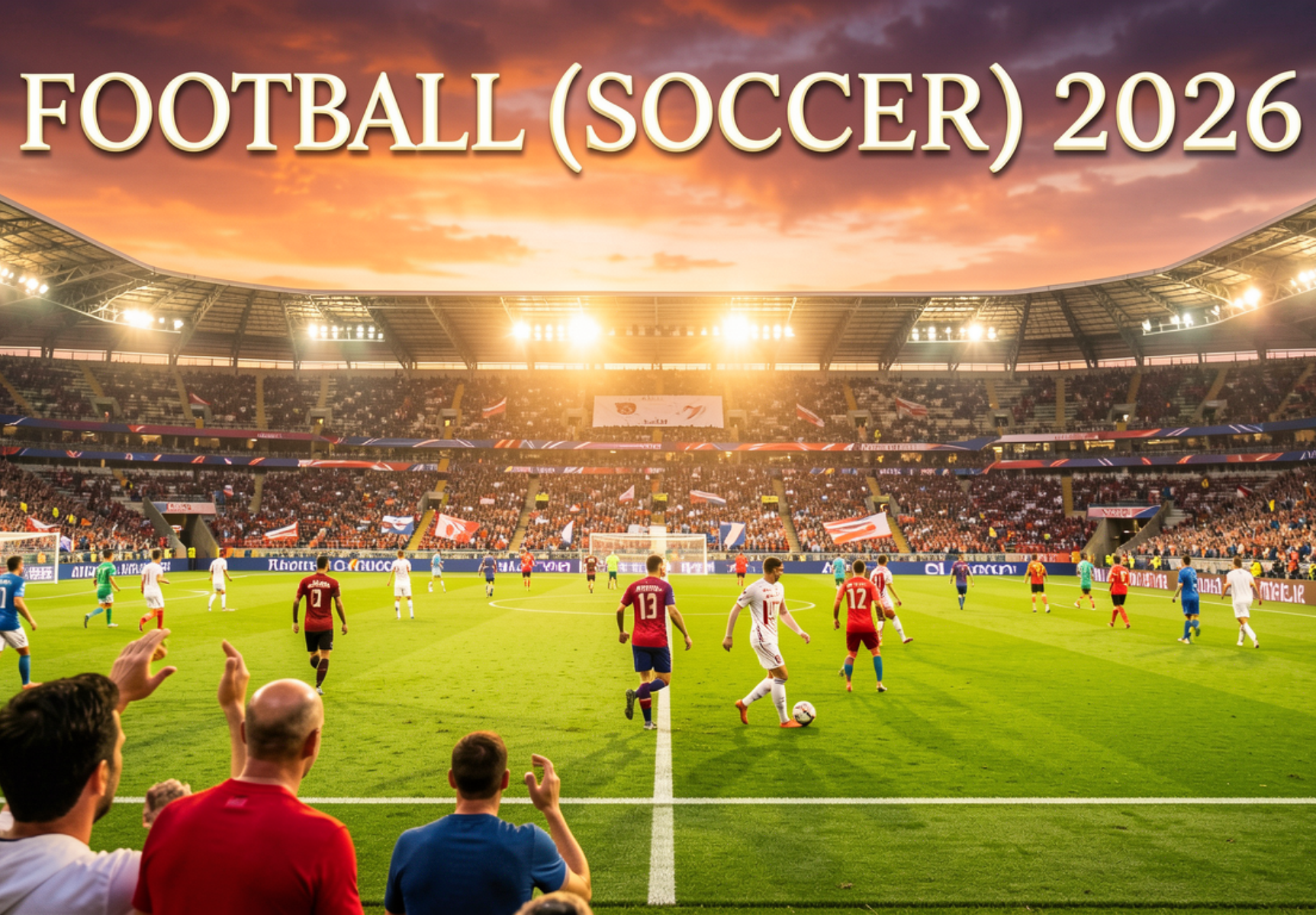
Football (Soccer): A Comprehensive Guide to the World’s Most Popular Sport
Introduction to Football
Football is more than just a game; it’s a global passion that connects billions of people every single day. From crowded city stadiums to small village grounds, Association football creates moments of pure emotion and unity. In fact, few sports match the energy of the Global football audience that follows matches with unmatched loyalty.
Thank you for reading this post, don't forget to subscribe!Moreover, the simplicity of the game makes it accessible to everyone, regardless of age or background. Governed by clear Football (Soccer) rules and structured under the authority of the FIFA governing body, the sport continues to grow rapidly. As a result, modern Professional football leagues now attract worldwide attention and investment.
The Origins and Evolution of Soccer
Soccer has deep roots in Football in history. Ancient China played Cuju. Medieval Europe had rough village games. However, modern Association football began in England during the 19th century. Schools created standard Football laws, later known as the Laws of football game. This structure shaped organized competition and built the foundation of modern sport.
Over time, Football history and evolution transformed a local pastime into global entertainment. The first international matches began in the late 1800s. Soon after, the FIFA governing body formed in 1904 to unify global rules. The sport expanded rapidly through colonial trade and migration. Today, international soccer events unite nations. The journey from muddy fields to billion-dollar stadiums reflects powerful Football competition history.
The Rules of Soccer: How the Game is Played
Understanding Football (Soccer) begins with structure. The game follows official Soccer rules and detailed Football match regulations. Two teams of eleven compete on a rectangular Football pitch. The standard Football pitch dimensions range between 100–110 meters long and 64–75 meters wide. Clear markings define the Soccer field layout. Officials enforce fairness using strict guidelines.
The Offside rule in soccer often confuses beginners. However, it simply prevents attackers from gaining unfair advantage. Matches follow fixed halves with possible stoppage time. If tied in knockout matches, Football match tie-breakers such as extra time or penalties decide the winner. The scoring system remains simple: one goal equals one point. The table below shows key match standards.
| Rule Element | Standard Detail |
|---|---|
| Players per team | 11 |
| Match length | 90 minutes |
| Ball size | Size 5 |
| Soccer ball circumference | 68–70 cm |
| Referees | 1 main + assistants |
Understanding Positions and Team Structure
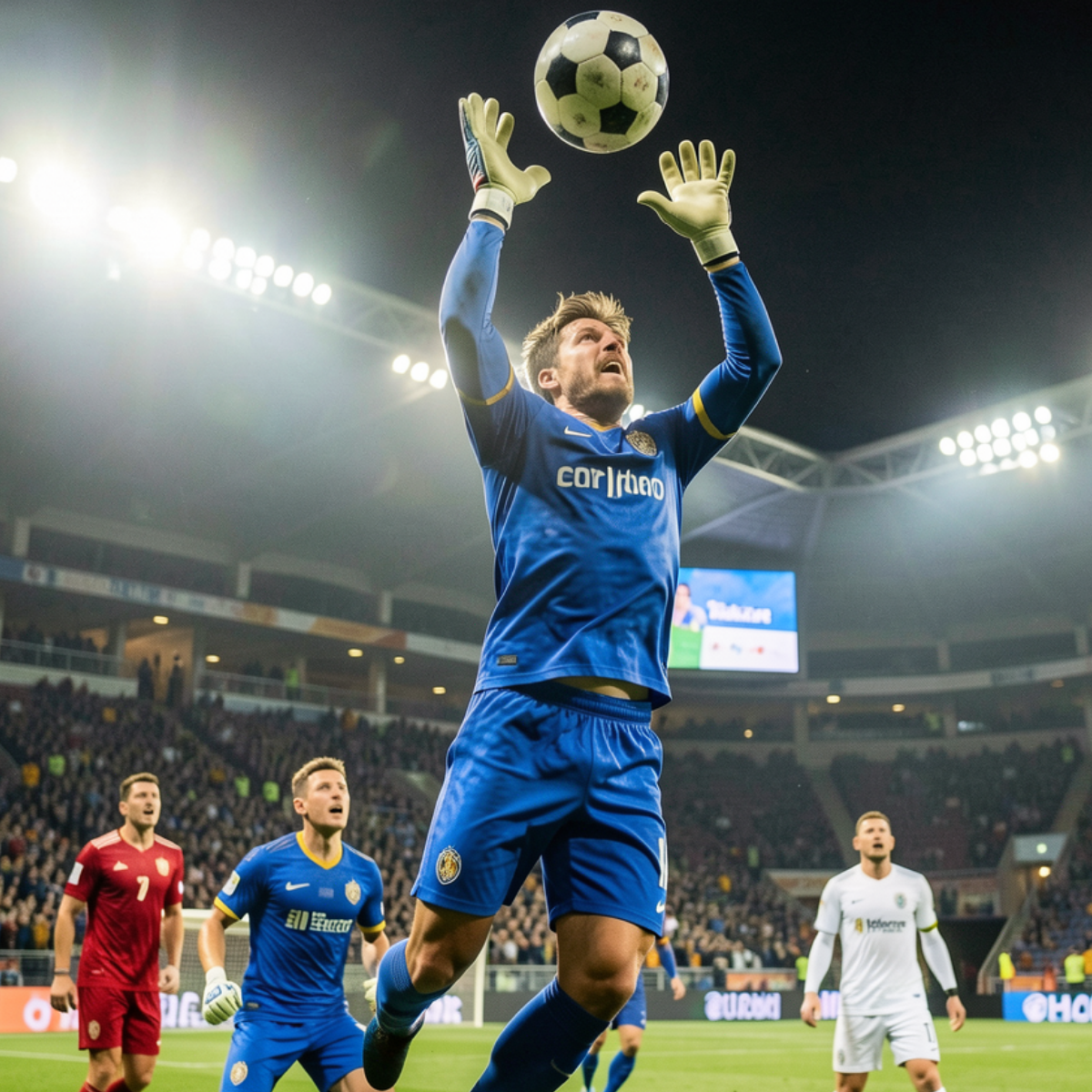
Every Soccer team relies on defined Football player positions. The goalkeeper protects the goal area. The defenders block attacks. Midfielders control tempo. Forwards score goals. These teams and positions create balance. The Goalkeeper roles require reflexes and leadership. Each position carries responsibility within the broader Football team formation.
Strategy shapes performance. Coaches design a specific Football formation such as 4-4-2 or 4-3-3. These systems reflect deeper soccer teams’ tactics. For example, attacking teams press high. Defensive teams hold shape. Smart coaching improves coordination and stamina. The right structure transforms average players into champions.
Popular Football Leagues and Tournaments Worldwide
Professional Soccer thrives through elite competitions. Europe hosts major Professional football leagues like the English Premier League and La Liga. South America offers intense rivalries. Asia and Africa continue rapid development. These leagues showcase top soccer players performing weekly. Fans track standings, statistics, and FIFA rankings closely.
Internationally, the FIFA World Cup stands as the biggest spectacle. It represents the pinnacle of Global soccer tournaments and elite International soccer tournaments. Qualification follows strict FIFA World Cup qualification pathways across continents. Additionally, continental championships expand global reach. The table below compares major tournaments.
| Tournament | Frequency | Organizer |
|---|---|---|
| FIFA World Cup | 4 years | FIFA governing body |
| UEFA European Championship | 4 years | UEFA |
| Copa América | 4 years | CONMEBOL |
Women’s Soccer: Growth and Impact
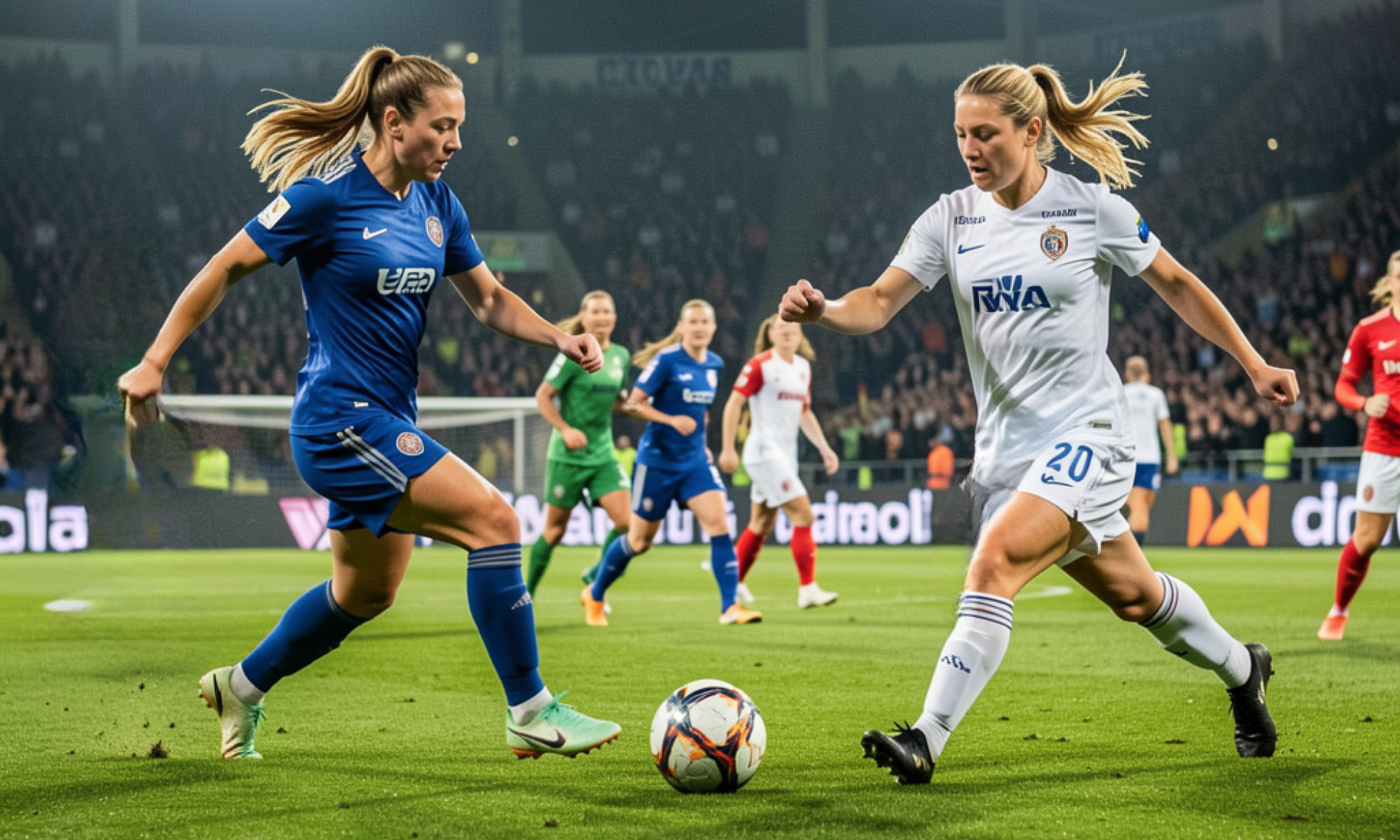
In recent decades, Women’s football has grown rapidly. Increased investment and visibility fueled remarkable Women’s soccer growth. Major stadiums now host women’s finals. Broadcast numbers continue rising. Young girls worldwide now see role models succeeding at global level.
Importantly, Women’s soccer promotes equality and empowerment. Prize money has increased significantly. Sponsorship deals expanded media reach. The Women’s FIFA World Cup broke attendance records. As a result, the future of Women’s soccer looks strong and inclusive.
The Global Influence
Soccer shapes culture beyond sport. In many countries, victories create national pride. Meanwhile, defeats bring collective heartbreak. Governments invest in youth academies and grassroots programs. The sport offers opportunities for social mobility. Therefore, Soccer becomes more than entertainment.
Additionally, International football competitions strengthen diplomacy. Global stars influence fashion, charity, and activism. Fans follow clubs across borders. The emotional pull of Soccer crosses religion, language, and politics. Few activities unite humanity so powerfully.
Football’s Governance: Governing Bodies and International Play
Strong administration ensures fairness in Soccer. The FIFA governing body oversees international structure. Regional Football governing bodies (e.g., FIFA, UEFA) manage continental events. These institutions maintain standardized Football equipment regulations and competition rules.
Moreover, FIFA’s role in football includes development funding and tournament organization. Officials update policies to address Soccer safety concerns and technology integration. Through structured management, global integrity remains protected.
The Business of Football
Soccer drives massive economic impact. Broadcasting rights generate billions annually. Sponsorships support clubs financially. Transfer markets reshape squads yearly. The sport influences tourism and urban development. Major clubs operate as global brands.
Furthermore, clubs invest in academies and Football for amateurs. Youth systems nurture future stars. Merchandise sales expand revenue streams. As digital media grows, online engagement increases rapidly. The business side ensures Soccer remains sustainable worldwide.
Conclusion: The Future of Soccer
Soccer continues evolving through innovation. Technology such as VAR improves decision accuracy. Youth academies expand worldwide. Environmental sustainability becomes a focus. Inclusivity strengthens global participation.
Looking ahead, Soccer will likely grow even further. Expanding markets in Asia and North America offer new audiences. Rising talent diversifies competition. As long as passion fuels play, Soccer will remain the world’s favorite sport.
FAQ’S
Why 3 points for a win?
FIFA introduced 3 points for a win in 1995 to encourage attacking play and reduce defensive draws.
What is the 1:1 rule in soccer?
A 1:1 score means both teams scored one goal each, resulting in a draw unless it’s a knockout match.
Which player has many money?
Cristiano Ronaldo is considered the richest football player due to salary and endorsements.
What is Kaizer Motaung’s net worth in rands?
Kaizer Motaung has an estimated net worth of around R1.1–R1.5 billion.
Which team has more followers?
Real Madrid has one of the highest social media followings worldwide.
For more details visit https://www.fifa.com
You can also visit Pakistan Super League (PSL) 2025/2026: Complete Guide