

Women’s Football: History, Teams, and Achievements
Rise and Recognition:
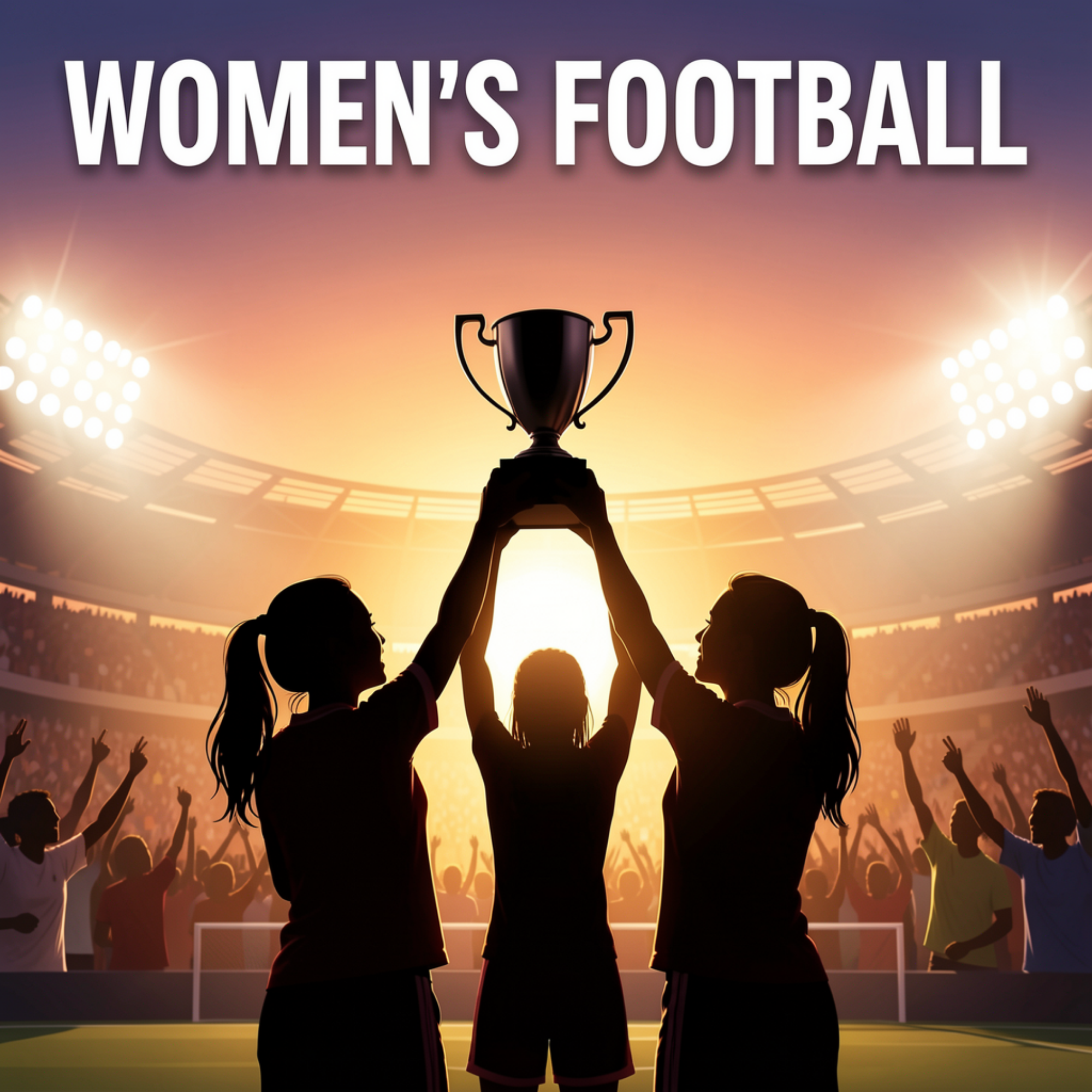
Women’s football has experienced remarkable growth over the past few decades, and it has gained global recognition and respect. Once overshadowed by men’s football, the sport has now blossomed into a competitive arena with professional women’s leagues and international women’s competitions, which are drawing massive audiences.
Thank you for reading this post, don't forget to subscribe!Major Competitions:
In fact, the FIFA Women’s World Cup and UEFA Women’s Euro have become prestigious events, showcasing the incredible talent and passion of female footballers worldwide.
Overcoming Challenges:
However, despite facing challenges such as gender equality in sports, the sport has persevered. With more investment and attention flowing in, women’s football continues to break barriers, inspiring future generations and establishing itself as an essential part of the global football landscape.
History of Women’s Football
Women’s football has a long and challenging history. It dates back to ancient civilizations, but organized matches began in the late 19th century.
The first known match in England was played in 1895 by Dick, Kerr Ladies F.C. Interest grew, but resistance was strong, and the sport was overshadowed by men’s football.
In the early 20th century, governing bodies like the FA banned women from playing on professional fields, citing health concerns.
This ban lasted over 50 years but could not stop grassroots growth.
In the 1970s, women began playing internationally. Professional leagues like the NWSL (USA) and W-League/A-League Women (Australia) further boosted interest.
England Women’s National Football Team
The England women’s national football team is one of the most well-known teams globally. They played their first official international match in 1972 and have since become a powerhouse in women’s football in Europe. Over the years, they’ve participated in several international women’s competitions and earned numerous accolades. Their success in UEFA Women’s Euro and the FIFA Women’s World Cup continues to elevate the sport, not only in England but worldwide.
The team’s rise in the past decade has been remarkable, with players like Ellen White and Lucy Bronze showcasing their skills on the world stage. The English team has built a strong reputation in global tournaments and remains a strong contender in any competition they enter.
Players and Squad
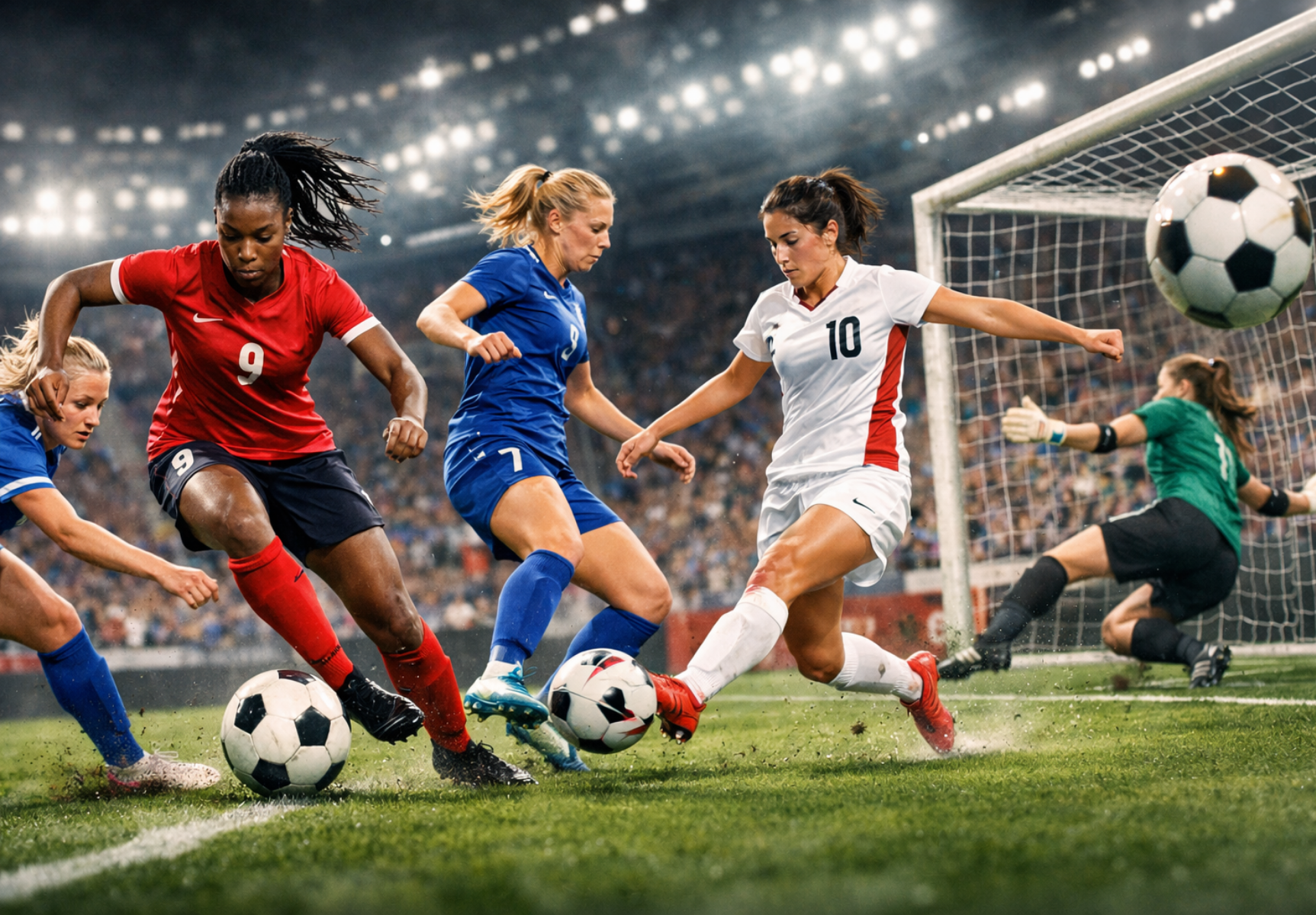
The world of female footballers has seen some incredible talent. From legendary figures like Marta and Megan Rapinoe to rising stars like Sam Kerr and Fridolina Rolfö, the skill level of women’s football players has drastically improved. These players play in top leagues like FC Barcelona Femení, Paris Saint-Germain Féminine, and Olympique Lyonnais, which dominate women’s soccer leagues in Europe.
National teams, such as the Pakistan women’s national football team and USA women’s national football team, rely heavily on their star players to lead them in international competitions. The FIFA Women’s World Cup and UEFA Women’s Euro regularly showcase the exceptional talent of these female footballers, highlighting their importance to the sport’s growth.
Coaching and Management
Coaching in women’s football has advanced greatly. More female coaches are taking leadership roles.Coaches like Phil Neville and Jill Ellis have shaped successful teams.
Technology, sports psychology, and data analysis are improving player performance. Professional leagues now invest in top-quality staff.
Competitions and Achievements
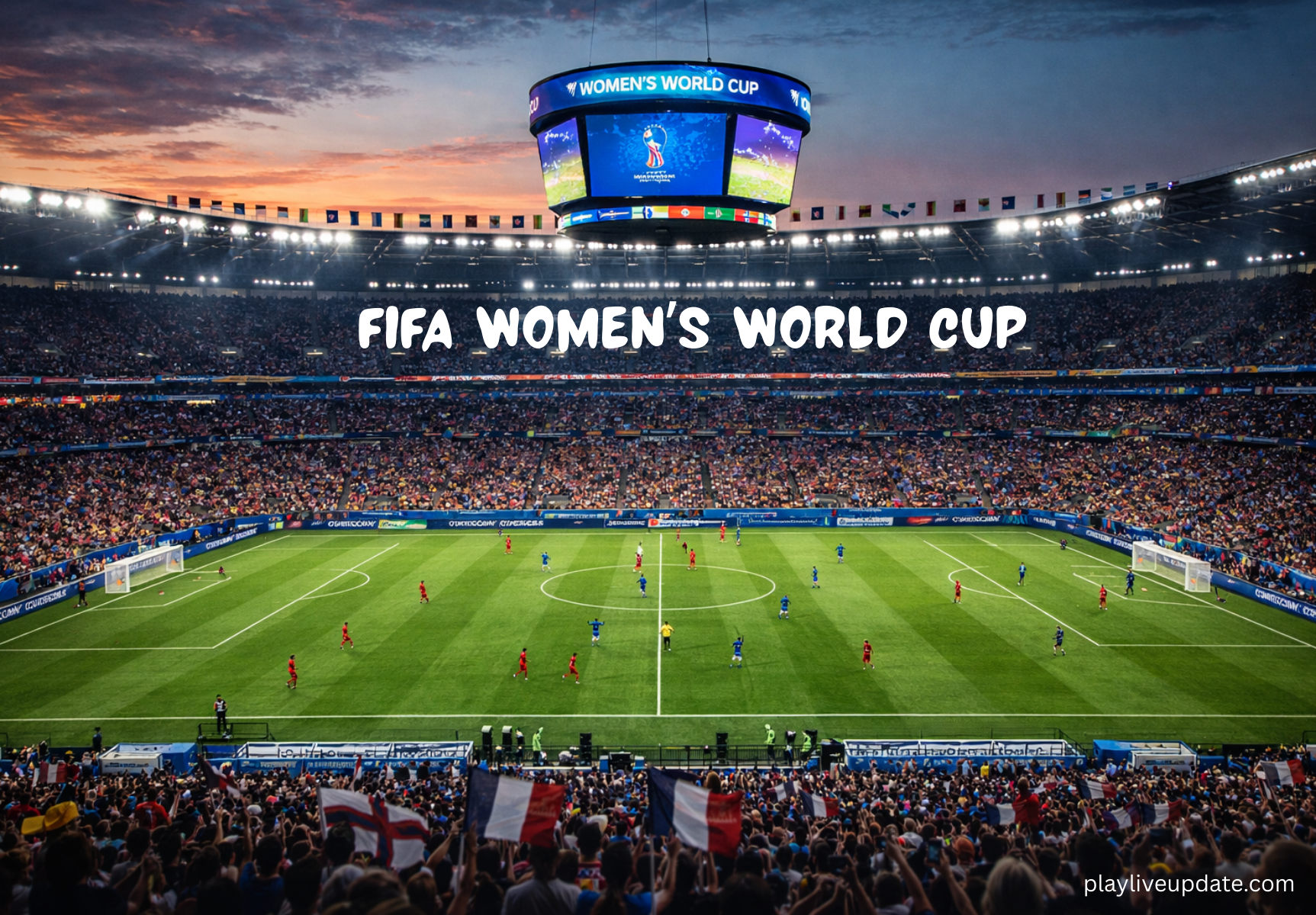
Tournaments like the FIFA Women’s World Cup and UEFA Women’s Euro have grown rapidly.
The World Cup draws millions of viewers worldwide. UEFA Euro highlights Europe’s best teams, including Germany, France, and England.
In North America, the NWSL leads the way. Teams like Portland Thorns FC set high standards.
South America and Africa are also growing, with Brazil and Nigeria emerging as strong teams.
Results, Fixtures, and Rankings
Tracking results, fixtures, and rankings in women’s football is essential for understanding the sport’s competitive nature. The FIFA Women’s World Cup results are a key indicator of global team strength, while UEFA Women’s Euro provides a clear picture of European dominance. National teams are ranked based on their performances in these tournaments, and these rankings affect tournament seeds and matchups.
For example, the top teams, such as Germany, USA, and France, consistently dominate the rankings, while emerging teams from regions like women’s soccer in Asia and Africa are beginning to rise. Rankings also influence the qualification process for international women’s competitions, including the FIFA Women’s Club World Cup.
Records and Statistics
Records show milestones of achievement. Marta holds the most World Cup goals.
In club football, Olympique Lyonnais and FC Barcelona Femení dominate leagues and the Women’s Champions League.
As tournaments gain visibility, records inspire future players.
Controversies and Challenges
Despite the success, women’s soccer still faces several challenges and controversies. Misogyny and gender bias are pervasive issues, with many female footballers still facing discrimination and unequal pay compared to their male counterparts. Title IX soccer in the United States was a critical step toward achieving gender equality in sports, but the journey is far from complete.
Another challenge is the dress codes and hijabs issue, which impacts female players who observe religious or cultural practices. Some countries, like Iran, have lifted bans on wearing hijabs during matches, allowing Muslim women to compete in international women’s competitions.
Misogyny and Gender Bias
Unfortunately, misogyny and gender bias still linger in the sport. Female footballers often face media scrutiny and lower pay, and their achievements aren’t always given the same respect as their male counterparts. The battle for equality is ongoing, but movements are gaining momentum worldwide, encouraging greater investment in women’s football in North America, Europe, and beyond.
Dress Codes and Hijabs
In some regions, dress codes pose significant challenges to female players, particularly those who wear hijabs. For example, FIFA has allowed players to wear hijabs, but only after prolonged debates. This issue remains a barrier for many Muslim women who wish to play professionally in women’s football clubs worldwide.
Labour Disputes
Labour disputes in women’s football, especially concerning wages and conditions, have sparked protests and legal challenges. FA Women’s Cup players in the UK, for instance, have fought for fair wages and recognition of their contributions to the sport. As the sport grows, these disputes are expected to increase until there is more uniformity and fairness in contracts and compensation for female footballers.
Sexual Harassment and Abuse Cases
Another issue in women’s football has been the fight against sexual harassment and abuse. High-profile cases have highlighted the need for better protection of players, both on and off the field. Institutions like FIFA and the AFC (Asian Football Confederation) are working towards improving player safety, but much work remains to be done.
Honours and Achievements
Over the years, women’s football has seen countless individual and team achievements. For example, the USA women’s national football team has won multiple FIFA Women’s World Cup titles. Showcasing their dominance in global women’s soccer tournaments. Teams like Olympique Lyonnais have captured numerous Women’s Champions League trophies, proving their status as the best in the world.
The recognition of these players and teams continues to grow, and more women’s football clubs are emerging with the resources and support needed to compete at the highest level. International women’s competitions, such as the FIFA Women’s Club World Cup, are vital in providing these teams with the global exposure they deserve.
Conclusion & Future of Women’s Football
The future of women’s football looks bright. As more fans embrace the sport and as women’s soccer leagues continue to grow, the sport will only get stronger. With increasing investment, better coaching, and greater recognition, the next generation of female footballers will have opportunities to play at the highest levels across the globe.
With ongoing work in gender equality in sports, women’s football is on the path to receiving the respect and resources it deserves. The rise of professional women’s leagues in regions like women’s soccer in Asia and women’s soccer in Africa shows that the sport has no limits. The journey has only just begun, and the future of women’s soccer looks incredibly promising.
FAQ’s
1. Who is ranked no. 1 in women’s soccer?
ANS: As of the latest FIFA rankings, Spain’s national team holds the No. 1 spot in the global standings for senior women’s national teams.
2. Where is the Euro 2025 final?
ANS: The UEFA Euro 2025 final took place at St. Jakob‑Park in Basel, Switzerland.
3. Who is the best female footballer in the world?
ANS: Spain and Barcelona midfielder Aitana Bonmatí is widely regarded as the top player in the game, winning major individual awards including FIFA’s Best Women’s Player.
4. Why did women’s soccer stop?
ANS: The sport was largely halted in many countries when governing bodies banned women from playing on official grounds, especially in the 1920s, limiting growth for decades.
For more details visit Football (Soccer): A Comprehensive Guide to the World’s Most Popular Sport
External links:
https://www.fifa.com/womensworldcup/
https://www.uefa.com/womenseuro/