

Boxing : History, Rules, Styles, Techniques & Global Impact
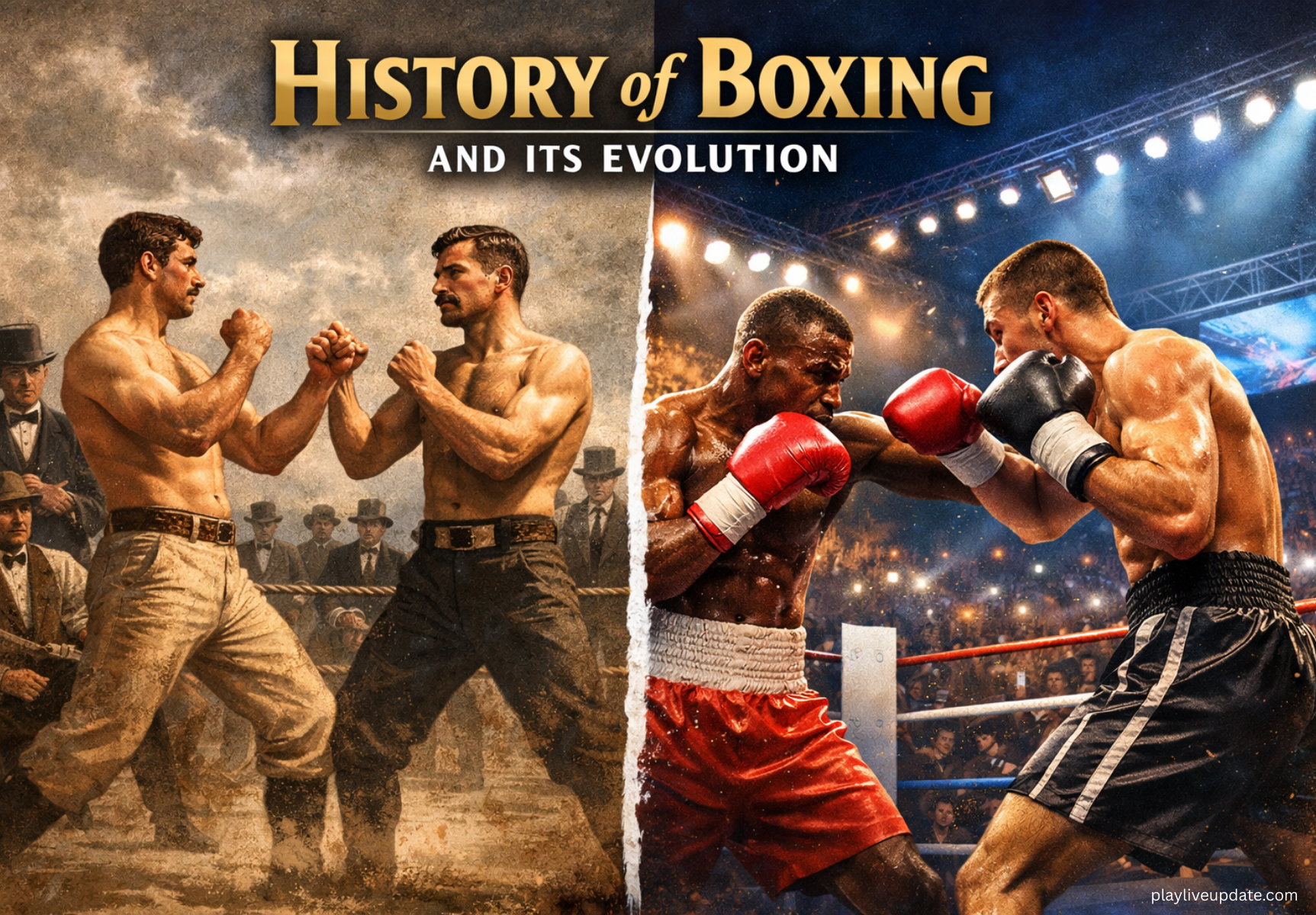
The History of Boxing and Its Evolution reveals far more than simple combat; rather, it uncovers a powerful human story shaped by endurance, strategy, and transformation. At first, ancient civilizations practiced Boxing origins through raw contests of strength; however, over time, these clashes developed structure and honor. As centuries passed, Bare-knuckle boxing dominated brutal prize rings; meanwhile, reforms gradually refined violence into regulated sport.
Consequently, the Evolution of boxing rules introduced gloves, timed rounds, and weight divisions. Today, Professional boxing and global championships reflect centuries of change. Therefore, when you explore this journey, you don’t just study sport; instead, you witness resilience shaping modern competition worldwide.
Introduction to Boxing , What Is Boxing?
At its core, boxing is controlled combat. Two athletes compete inside a roped square ring. They wear protective boxing gloves. They fight under strict boxing match rules. Victory comes through points or knockout. However, beyond punches, boxing demands timing, patience, and courage. This balance defines Boxing as a sport and separates it from street fighting.
Although simple in appearance, boxing blends science and instinct. Fighters move across timed boxing rounds. Judges score clean strikes. Referees enforce safety. Meanwhile, fans admire discipline and resilience. Historically called pugilism, the sport evolved from ritualized combat into global entertainment. That transformation lies at the heart of the history of boxing and its evolution.
The History of Boxing ,From Ancient Times to Modern Era

The Boxing origins stretch back to ancient civilizations. Egyptian carvings show fighters using wrapped hands. Later, Greece introduced structured contests in 688 BCE. These Early boxing contests became part of Olympic tradition. Rome then adopted brutal forms of combat. Over time, organized rules slowly replaced chaos. This shift marks the early History of prizefighting.
During 18th century England, Bare-knuckle boxing gained popularity. Fighters battled without gloves under minimal regulation. The History of boxing in the UK shaped modern development. Eventually, the Marquess of Queensberry Rules in 1867 formalized timed rounds and required gloves. That reform accelerated the evolution of boxing rules. Below is a simplified boxing history timeline.
| Era | Key Development | Significance |
|---|---|---|
| Ancient Greece | Olympic combat sport | Structured competition begins |
| Roman Empire | Gladiator-style fighting | Increased brutality |
| 18th Century UK | Bare-knuckle prizefights | Rise of public interest |
| 1867 | Queensberry Rules | Birth of modern boxing |
| 20th Century | Global championships | International expansion |
The Evolution of Modern Boxing
Modern transformation reshaped identity. The shift from bare fists to regulated gloves defined the debate of Bare-knuckle boxing vs gloved boxing. Gloves reduced visible damage yet increased sustained exchanges. Weight categories also emerged. These Boxing weight divisions ensured fair competition. Consequently, technical mastery replaced size dominance.
As media expanded, Professional boxing exploded commercially. Fighters built fame through televised events. Meanwhile, Amateur boxing developed under Olympic governance. The inclusion of Olympic boxing expanded global reach. Today, advanced sports science supports conditioning. Digital broadcasting connects audiences instantly. Thus, the history of boxing and its evolution entered the modern age.

Boxing Rules and Regulations
Rules create order within chaos. Modern contests follow strict Boxing organizations and rules. Judges apply a ten-point must system. Referees monitor fouls and safety. Timed rounds structure rhythm. Clear scoring ensures fairness. Without these standards, skill would vanish beneath disorder. Regulation anchors legitimacy.
Below is a simplified comparison between amateur and professional structure.
| Feature | Amateur Boxing | Professional Boxing |
|---|---|---|
| Round Length | 3 minutes | 3 minutes |
| Number of Rounds | 3 | 4–12 |
| Protective Headgear | Often used | Not used |
| Scoring Focus | Clean punches | Damage and control |
The authority of Boxing referees and sanctioning bodies safeguards integrity. Therefore, the evolution of boxing rules strengthened credibility worldwide.
Boxing Styles and Fighting Techniques
Every fighter expresses personality through movement. Distinct Boxing styles define ring identity. Some outmaneuver opponents. Others pressure relentlessly. Over time, analysts categorized strategies into boxer, slugger, and swarmer. These approaches evolved into Modern boxing styles shaped by speed and precision.
Strategic diversity fuels unpredictability. Tactical adjustments determine victory in high-stakes Boxing bouts. Champions study footwork, distance, and counter timing. This technical variation illustrates the beauty of Pugilism. Ultimately, styles reflect adaptation. They represent living evidence of the history of boxing and its evolution.
Essential Boxing Techniques : The Art of the Ring
Technique transforms power into efficiency. Fundamental Boxing techniques include jab, cross, hook, and uppercut. Proper stance stabilizes balance. Head movement prevents damage. Defensive awareness extends careers. Elite athletes refine precision daily through advanced Boxing training techniques.
Mastery requires repetition and discipline. Trainers emphasize rhythm and conditioning. Tactical intelligence guides combinations. Over time, subtle refinements separate contenders from champions. Therefore, skill development remains central to Professional boxer careers and defines ring longevity.

Equipment Used in Boxing
Safety improved dramatically over centuries. Early fighters wrapped hands lightly. Today, specialized Boxing gloves absorb shock. Protective mouthguards reduce dental trauma. Regulated ring surfaces limit injury severity. This progress reflects concern for Boxing injuries and safety.
Equipment development also influenced strategy. The adoption of Gloves in boxing allowed longer exchanges. Fighters relied more on combinations. Consequently, technical evolution accelerated. Improved protection encouraged structured competition. Equipment innovation therefore shaped the history of boxing and its evolution.
Governing Bodies and Boxing Rankings
Structure depends on authority. Major Boxing organizations regulate championships worldwide. The World Boxing Association, World Boxing Council, International Boxing Federation, and World Boxing Organization sanction title fights.
These bodies oversee Boxing championships and rankings. Champions defend belts across divisions including Heavyweight boxing. However, multiple sanctioning systems sometimes create confusion. Still, governance ensures global order. Authority maintains competitive structure in modern sport.
Legendary Boxers and Iconic Moments

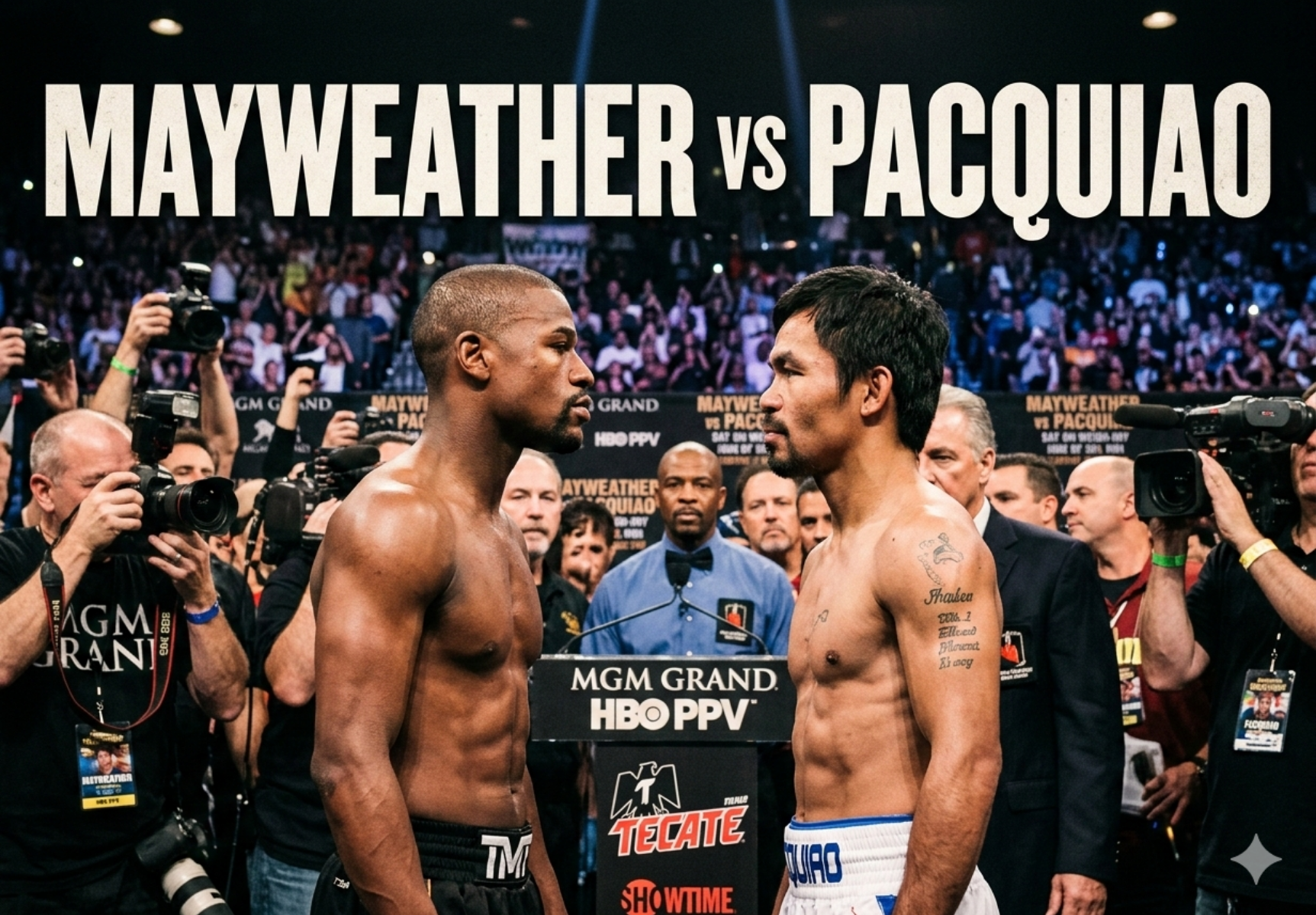
Some athletes redefine eras. Great boxers inspire beyond sport. Figures such as Muhammad Ali and Mike Tyson altered public perception. Their charisma and dominance shaped Fight history. Meanwhile, strategic masters like Floyd Mayweather Jr. demonstrated defensive brilliance.
Iconic rivalries created unforgettable drama. These Famous boxing matches elevated the sport globally. Champions become symbols of resilience. They influence politics and identity. Thus, Boxing champions and Prominent boxing figures drive cultural relevance across generations.
Health Benefits and Risks of Boxing
Training builds endurance and mental focus. Cardiovascular conditioning improves stamina. Discipline strengthens character. Many athletes praise boxing for confidence growth. Structured programs reduce stress. These benefits explain the enduring appeal of boxing worldwide.
However, long-term exposure raises concern. Repeated blows may cause neurological damage. Medical oversight now emphasizes prevention. Safety reforms limit unnecessary punishment. Modern awareness reshaped Boxing injuries and safety protocols. Consequently, the evolution of boxing rules prioritizes athlete welfare.
Boxing’s Cultural Impact and Global Influence
Boxing reflects society’s struggles and hopes. Stories of underdogs resonate globally. The Impact of boxing on culture appears in music, politics, and cinema. From memoirs to documentaries, Boxing in literature and films preserves legacy. Therefore, boxing culture extends far beyond arenas.
International tournaments unite diverse audiences. The sport thrives in the Americas, Europe, Asia, and Africa. Inclusion in global events such as Boxing in the Olympics reinforces legitimacy. Ultimately, the history of boxing and its evolution mirrors social change. It remains a living symbol of resilience and ambition.
FAQ’s
What is the description of boxing?
Boxing is a combat sport where two fighters compete using punches under strict rules; however, it also demands strategy, timing, and discipline inside regulated rounds.
What is the history of boxing?
The history of boxing began with ancient civilizations; meanwhile, it progressed from bare-knuckle contests to modern, rule-based professional competition worldwide.
How has boxing evolved?
Initially brutal and unregulated, boxing gradually introduced gloves, weight divisions, and safety reforms; therefore, today it stands as a structured global sport.
Who is the #1 boxer in the world?
Rankings change frequently; however, currently many experts recognize Oleksandr Usyk among the top pound-for-pound fighters in professional boxing.




Leave a Reply